Some costs we can count. One hundred and thirteen people died in the Los Angeles flood of 1938, and the public outrage that followed handed engineers permission to build the most aggressive river control system on Earth. The flooding stopped. The deaths stopped. The benefit was real and you can put it in a spreadsheet.
The cost of what followed is harder to write down. The Los Angeles River, channelized in concrete, no longer recharges groundwater the way it did. Habitat that depended on seasonal flooding is gone. Neighborhoods, businesses, and millions of lives now sit on what used to be alluvial flood plain. When the January 2025 wildfires came through, the conditions that helped them spread, dryness, vegetation stress, the absence of natural water, were partly downstream of decisions made almost a century ago. We can count the thirty people who died in those fires. We can’t count the wildlife, the ecosystems, the slow erosions that made the landscape ready to burn.
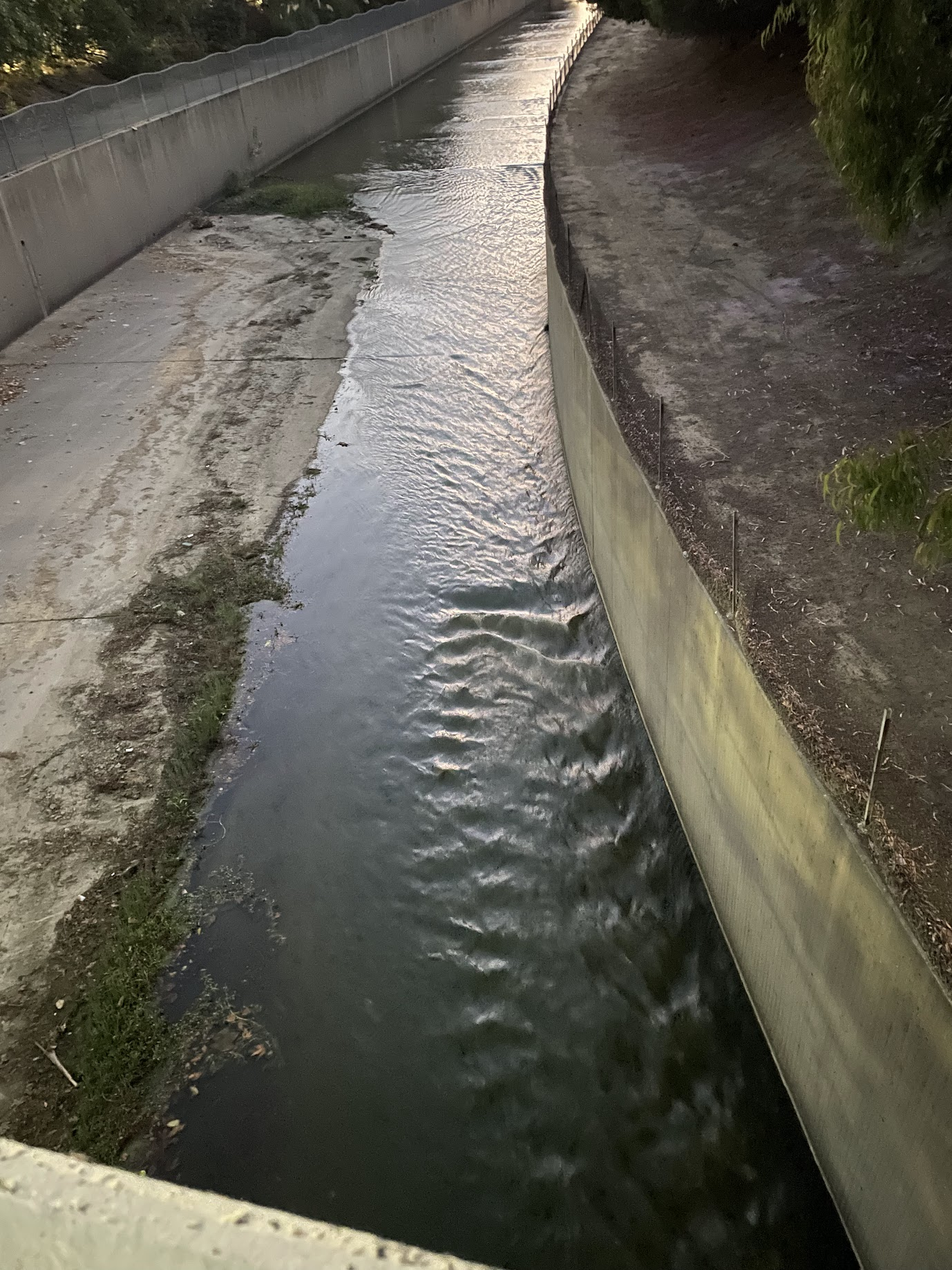
The trade we made was a measurable disaster for an unmeasurable one. And because the new cost doesn’t show up in a single headline, with a body count, it’s easy to act like it isn’t there.
I think this happens in relationships too.
A piece of feedback I get often is that I go too fast. I jump to conclusions, that I send people the ocean when they asked for a glass of water. From the inside, it doesn’t feel like flooding. It feels like finally being able to say the thing I’ve been holding. I’ve been collecting, focusing, refining, and when I open my mouth all of it comes out at once because I want to be heard.
There’s a name for the state I’m in when that happens. Psychologists call it being outside your Window of Tolerance, the zone in which you can think and feel and respond at the same time. Push someone outside that window and they reach for whatever brings them back inside. For some people that’s withdrawal. For me, apparently, it’s the flood. If you say enough, fast enough, surely some of it will land, and then you’ll be back in the window because someone heard you.
The problem is the same as the river. The flood solves the immediate, measurable problem, I was not heard, and creates a different, unmeasurable one. The friend who stops asking follow-up questions. The colleague who learns to nod and wait. The conversation that doesn’t deepen because there isn’t room. None of this shows up as a single event. It shows up as ecosystem loss. The relationship is drier than it used to be and nobody can quite say when.
I don’t think the answer is to dam the river. The 1938 flood was real. The need to be heard is real. Don’t say things is not a strategy any more than let the city flood is a strategy.
The good news about the Los Angeles River is that parts of it are being brought back. There are stretches where the concrete is being broken up, where native plants are returning, where the water is allowed to slow down and soak in again. The work is slow and unglamorous. It does not undo a century of decisions. But it does mean the river is not a finished story.
I think the conversations we have learned to flood are not finished stories either. The friend I have spoken at more than I have spoken with. The pattern I reach for when I want to be heard. None of it gets fixed in one big move. It gets better the way an ecosystem gets better, in small returns of what was crowded out. A real question. A pause. The chance for someone else to say something I had not already planned for.
That, in the end, is what managing the flood looks like. Not a campaign, and not a fix. A long practice of paying attention to the things we cannot count, so that something quietly starts growing again.